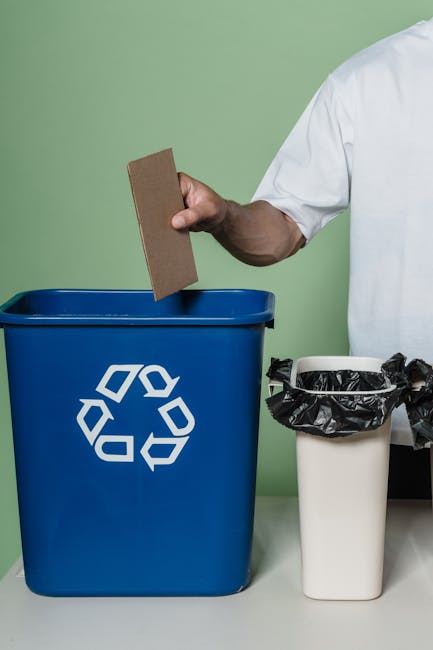
Greener removals: sustainable packing and disposal practices
Moving house or relocating a business can create a surprising amount of waste: half-used tape, broken boxes, cling film, old furniture, and a car boot full of things you meant to sort "later". Greener removals: sustainable packing and disposal practices are about doing the same job with less waste, less hassle, and a lot more care. In practice, that means reusing what you can, packing intelligently, donating usable items, recycling properly, and disposing of the rest in a lawful, tidy way. It sounds simple. In real life, it takes a bit of planning.
If you are preparing for a move in London or anywhere in the UK, sustainable removals are not just a nice extra. They can save money, reduce stress, and make the whole process feel less chaotic. This guide walks through how greener moving works, what to pack with, how to dispose of items responsibly, and where a professional service can help when the pile of "maybe keep, maybe not" gets a bit ridiculous.
Table of Contents
- Why it matters
- How it works
- Key benefits and practical advantages
- Who this is for and when it makes sense
- Step-by-step guidance
- Expert tips for better results
- Common mistakes to avoid
- Tools, resources and recommendations
- Law, compliance, standards, or best practice
- Options, methods, or comparison table
- Case study or real-world example
- Practical checklist
- Conclusion
- Frequently asked questions
Why Greener removals: sustainable packing and disposal practices Matters
Moves tend to generate waste in batches. You open a cupboard and suddenly there are redundant chargers, chipped mugs, old paperwork, and packaging from things you bought ages ago. A conventional move often solves the relocation problem but leaves the waste problem untouched. Greener packing and disposal practices tackle both together.
There is also a very ordinary reason this matters: most people do not want to drag unnecessary things to a new home or office. Why pay to transport broken furniture, duplicate kitchenware, or obsolete stock? A greener approach encourages you to sort early, keep only what serves a purpose, and pass on usable items before they become landfill.
For businesses, the case is even stronger. Office and commercial moves can involve desks, monitors, chairs, filing systems, cables, and packaging from every department. Without a plan, all of that becomes mixed waste. With a plan, you can separate reusable items, schedule collections, and reduce the amount sent to disposal. It is cleaner, cheaper in many cases, and frankly less embarrassing when the skip starts filling up faster than expected.
Expert summary: The most sustainable move is usually not the one with the fanciest materials. It is the one where you pack less, reuse more, and dispose of items in the right order: reuse, donate, recycle, then dispose.
That simple sequence makes a big difference. It also helps you stay calm while the kettle disappears into a box labelled "kitchen maybe".
How Greener removals: sustainable packing and disposal practices Works
Think of the process as a flow, not a one-off task. First you decide what is moving. Then you choose packaging that can be reused or recycled. After that, you manage items that are no longer needed through donation, resale, recycling, or responsible disposal. The whole approach works best when you start early rather than the night before.
1. Sort before you pack
This is the part people skip, then regret later. Separate items into keep, donate, recycle, repair, and dispose. It does not need to be perfect on the first pass. A rough sort is still useful because it stops you wrapping things that should never make it to the new place.
2. Choose lower-waste packing materials
Reusable plastic crates, sturdy second-hand boxes, paper tape, and protective paper can often replace excessive plastic wrap or oversized packaging. For fragile items, use what you already have where possible: towels, bedding, jumpers, tea towels. They do double duty and save buying single-use filler. That said, use common sense with anything delicate, sharp, or valuable.
3. Pack by room and by fragility
Good packing reduces damage, which reduces waste. If a lamp arrives broken because it was stuffed into a box with a saucepan, you have created more disposal work for yourself. Pack room by room, label clearly, and keep fragile items grouped with proper cushioning. It sounds a bit dull. It works.
4. Move reusable items out early
Furniture, electricals, and household goods that still have life left in them should be dealt with before moving day if possible. Many people arrange a furniture pick-up service or a local donation route so the better pieces are not simply shifted from one hallway to another. The same goes for surplus office chairs, cupboards, and screens in commercial moves.
5. Dispose of residual waste properly
Anything that cannot be reused, donated, or recycled needs a proper route. That may mean council waste guidance, a licensed disposal point, or a removal service that handles mixed waste responsibly. The key is not to guess. If you are not sure what a material is, treat it cautiously and check before placing it with general rubbish.
In greener removals, disposal is the final step, not the first. That order matters more than people think.
Key Benefits and Practical Advantages
Green moving is often discussed as an environmental choice, but the practical benefits are what usually win people over. Once you see them, it becomes less of a "nice to have" and more of a sensible default.
- Less waste: fewer boxes, fewer bags, fewer broken items, and less material heading to landfill.
- Lower packing costs: reused cartons, repurposed paper, and fewer specialist materials can trim spending.
- Faster unpacking: well-sorted items are easier to unpack, and you are less likely to lose things in the process.
- Better space use: decluttering before the move means you transport what you actually need.
- Safer handling: sensible packing reduces breakages and injuries. Nobody needs a box that gives up halfway down the stairs.
- Improved compliance: businesses especially benefit from orderly disposal, record-keeping, and proper handling of unwanted goods.
Another less obvious benefit: a greener move tends to feel more intentional. You can stand in the new space and know that the contents were chosen, not simply dragged along for the ride. That matters emotionally, especially after a big home move or a long office clear-out.
If you are arranging a full relocation, some people find it helpful to combine moving support with packing and unpacking services so the materials used and the disposal trail are handled more systematically. For larger loads, services such as removal truck hire or a moving truck can also be paired with a waste-minimising plan.
Who This Is For and When It Makes Sense
Almost anyone moving can benefit, but some people get far more value from sustainable packing and disposal than others.
Home movers
If you are moving from a flat, house, or shared property, the odds are high that you have unused items tucked away in cupboards, lofts, under beds, and the back of wardrobes. Greener removals help you clear that clutter before it becomes expensive to transport. A lot of people discover three phone chargers, six wine glasses, and one mystery cable during a single sort-out. Happens all the time.
Landlords and tenants
End-of-tenancy moves can leave a trail of worn furniture, outgrown storage, and damaged packaging. Sustainable disposal helps you return the property in better shape and avoid leaving a problem for the next person. It also makes handover day less stressful.
Businesses and office teams
Commercial moves often involve surplus furniture, old IT equipment, archived paperwork, and fit-out waste. If your team is relocating, it makes sense to treat the move as a mini clearance project too. Services such as office relocation services and commercial moves are especially useful when sustainability, scheduling, and operational continuity all matter at once.
People with limited time
Not everyone has days to sort through cupboards and organise collections. If your diary is packed, greener removals still make sense. You may just need a more structured plan and practical help from a team that can handle transport, sorting, and disposal without turning it into a drama.
Anyone aiming to reduce waste
Some people simply want their move to reflect their values. Fair enough. If you are trying to live more thoughtfully, moving is one of the easiest moments to make visible progress.
Step-by-Step Guidance
Here is a practical sequence you can follow without overcomplicating things. It is not glamorous, but it works.
- Start with a room-by-room audit. Open drawers, cupboards, loft boxes, storage benches, and filing cabinets. Be honest about what still earns its place.
- Separate items into clear categories. Keep, donate, sell, recycle, repair, dispose. Use boxes, tubs, or even coloured notes if that helps.
- Check what can be reused. Old boxes from online deliveries, tissue paper, sturdy bags, and packing paper can all be pressed back into service. If the box still has life in it, use it.
- Measure fragile needs carefully. Do not wrap everything in three layers just because it feels reassuring. Give fragile items proper cushioning, but avoid excessive material where lighter options will do.
- Prepare donation or reuse collections early. Usable sofas, tables, cabinets, or small electricals should be moved out before moving day if possible. A scheduled collection is usually easier than a last-minute scramble.
- Recycling should be sorted properly. Flatten cardboard, keep paper clean and dry, and separate mixed materials where required. Greasy boxes and contaminated packaging can usually not be recycled as ordinary cardboard.
- Use the right disposal route for the tricky items. Paint tins, batteries, broken electricals, and similar items need more care. Do not toss them in with general rubbish just because it is convenient. Convenience is overrated there.
- Label clearly and keep a waste plan. Mark boxes for reuse, donation, or disposal so nothing ends up in the wrong pile during the rush.
- Do a final sweep before the van arrives. One last look through the loft, garden, shed, office store room, or under-bed storage can save a lot of wasted effort later.
If you are moving a large household, home moves support can help you combine packing, transport, and disposal without losing control of the schedule. For smaller, flexible jobs, a man and van or man with van arrangement can be a practical fit, especially when you are moving a few bulky items and want to avoid unnecessary trips.
Expert Tips for Better Results
In our experience, the difference between a decent move and a genuinely smooth one is usually found in the small decisions. Not dramatic ones. Small ones. The ones you make while half-listening to the kettle boil.
Use what you already own before buying anything new
Tea towels, duvet covers, blankets, and sturdy reusable bags can often protect items perfectly well. Save new materials for things that really need them. If the old suitcase is sitting empty, it might become a brilliant packing container for books or linens.
Pack heavy items in smaller boxes
This is basic, but still ignored constantly. Heavy boxes are harder to lift and more likely to tear. Books, tools, and files should be split into manageable loads. Your back will thank you. So will whoever ends up carrying the box.
Keep one "don't lose this" box
Put keys, chargers, documents, medication, cleaning supplies, and essential toiletries in one clearly marked box or bag. It prevents you from opening every box in a panic on the first night. Which, let's face it, is not how you want to spend your evening.
Choose donation before disposal whenever sensible
If an item is clean, working, and safe, it may be better off reused than recycled. Recycling is useful, but reuse is usually the better environmental outcome. That distinction gets missed a lot.
Ask for a disposal plan in advance
If you are using a removal team, ask how they handle unwanted items, sorting, and collection. Clear expectations reduce surprises. For instance, some people need only a light clear-out; others need a structured solution for bulky items or mixed waste. Understanding that up front helps everyone.
Think about access as well as waste
Green removals are not only about materials. They are also about reducing wasted journeys, failed collections, and repeated lifting. Good planning means fewer trips, less fuel use, and less chance of damage. Simple, really.
For larger or more complex moves, you may want to review a provider's approach to insurance and safety and health and safety policy. That does not make the move greener by itself, but it does help keep the whole process careful and responsible.
Common Mistakes to Avoid
Even well-intentioned moves go sideways when people rush the waste side of the job. These are the mistakes we see most often.
- Keeping too much "just in case". That pile of maybe-useful items can become a box graveyard very quickly.
- Using all-new packing materials without checking alternatives. It is easy, but not always necessary.
- Mixing recyclable and non-recyclable materials. Once contaminated, a lot of packaging becomes harder to process.
- Leaving disposal until moving day. That usually creates time pressure and poor decisions.
- Dumping usable items too soon. A chair with life left in it should not become waste by default.
- Forgetting awkward items. Batteries, cables, bulbs, paint, and broken electronics often get left behind because they are annoying. Annoying, yes. Still need handling.
- Assuming all disposal routes are the same. They are not. Different materials need different treatment.
A small but important point: the cheapest option is not always the greenest, and the greenest option is not always the cheapest. Often the best result is somewhere in the middle, where reuse, sorting, and practical removal work together.
Tools, Resources and Recommendations
You do not need specialist equipment to make a move more sustainable, but a few simple tools make the process much easier.
- Reusable crates or strong second-hand boxes: ideal for multiple trips and future storage.
- Paper tape: often easier to recycle than plastic-heavy alternatives, though always check suitability for the material being used.
- Marker pens and labels: essential for sorting by room, category, and fragility.
- Box cutters and scissors: keep unpacking clean and controlled.
- Large reusable bags: useful for textiles, soft furnishings, and lightweight oddments.
- Protective blankets: brilliant for furniture edges and appliance surfaces during transit.
- Sorting tubs or sacks: perfect for donation, recycle, repair, and disposal categories.
If you are planning a move and want the waste side handled with care, it can help to speak with a team that already thinks about sustainability in practical terms. A page like recycling and sustainability can be a useful starting point for understanding the broader approach. You can also review pricing and quotes if you want to compare options before you book.
For homeowners, a simple room checklist and a donation bag can go a long way. For offices, a spreadsheet with item categories, responsible owners, and disposal notes is often the difference between a tidy move and a week of chasing missing chairs.
Law, Compliance, Standards, or Best Practice
When disposal is involved, especially in the UK, it is wise to follow lawful and sensible best practice. You do not need to become a compliance specialist, but you should understand the basics.
First, waste should be handled through appropriate and lawful routes. If a removal service or contractor is taking unwanted items away, it should be clear how those items will be reused, recycled, or disposed of. For businesses, the standard is usually stricter because more material is involved and records may matter.
Second, some items need extra care. Electricals, batteries, paint, solvents, and anything potentially hazardous should not be treated like ordinary household rubbish. If in doubt, separate it and ask before disposal. That is a far better habit than hoping for the best. Hope is not a strategy here.
Third, there is a practical duty of care involved in not handing waste to the wrong person. In plain English: make sure rubbish goes to a responsible route, not an unknown one. Good providers should be able to explain how they handle disposal, safety, and any items that require special treatment. That is where policies like terms and conditions and payment and security can also support trust, because the whole transaction should feel transparent and orderly.
Finally, best practice is not just about legality. It also means minimising unnecessary waste, preventing damage, and making the move easier on the people doing the lifting. That is the part readers feel most immediately, to be fair.
Options, Methods, or Comparison Table
Different moves call for different sustainable methods. Here is a simple comparison to help you decide what fits best.
| Method | Best for | Environmental value | Practical note |
|---|---|---|---|
| Reuse existing boxes and bags | Small to medium household moves | High | Cheap and effective if materials are still strong |
| Reusable crates | Frequent movers and office relocations | High | Very tidy, but may need collection or return planning |
| Donation or resale of furniture | Usable sofas, desks, chairs, storage units | Very high | Requires early sorting and clear condition checks |
| Recycling sorted materials | Cardboard, paper, some plastics and metals | Medium to high | Contamination is the main issue |
| Responsible disposal of residual waste | Broken, contaminated, or non-reusable items | Medium | Needed for the final leftovers, not the first choice |
The best choice is often a mix. For example, a family moving from a three-bedroom house might reuse boxes, donate a dining set, recycle packaging, and dispose of a few damaged items. An office move may involve a different blend, especially if old furniture and equipment need collecting alongside relocation. If you need a flexible vehicle for those heavier or mixed loads, a removal truck hire option can help keep the process organised.
Case Study or Real-World Example
Here is a realistic example drawn from the kind of move many people face.
A small design studio is relocating from a shared workspace to a larger unit. The team has eight desks, several monitors, sample materials, shelves, and years of supplies in cabinets nobody has opened properly in ages. Instead of packing everything first and sorting later, they begin two weeks early.
They separate items into four groups: keep, donate, recycle, dispose. The clean chairs and one spare desk are set aside for reuse. Duplicate stationery and outdated printed materials are removed. Cardboard packaging is flattened and stored dry. Cables are labelled rather than thrown into a tangled drawer of doom. A few damaged items are disposed of through the correct route.
By moving day, the van is carrying only what the studio actually needs. The new office feels lighter, the unpacking is faster, and there is far less waste to deal with afterwards. No miracle. Just disciplined sorting, sensible packing, and a clear plan.
A home move looks similar, just with more sentimental stumbling. That one box of childhood books? You might keep it. The broken lamp you have been meaning to repair since 2021? Probably not. You know the feeling.
Practical Checklist
Use this checklist a few days before the move, then again the day before.
- Sort every room into keep, donate, recycle, repair, and dispose.
- Reuse boxes, paper, bags, and blankets where safe and practical.
- Set aside furniture and household items that can be reused or picked up.
- Flatten cardboard and keep recyclable materials clean and dry.
- Separate batteries, electronics, paint, and awkward waste items.
- Label boxes by room and note anything fragile.
- Pack an essentials box for the first 24 hours.
- Check access, parking, and lifting routes in advance.
- Confirm how any unwanted items will be removed.
- Do a final sweep of lofts, cupboards, sheds, and storage spaces.
If you are moving in a hurry, even three of these steps can make a noticeable difference. Five is better. Ten is ideal, though let's not pretend every move behaves itself.
Conclusion
Greener removals: sustainable packing and disposal practices are really about making better choices at the exact moment when waste usually piles up. The approach is straightforward: reuse what you can, pack carefully, donate usable items, recycle properly, and dispose of the rest with a clear conscience and a clear plan.
What you get back is not just a tidier move. You get less clutter, fewer surprises, and a smoother start in the new place. That matters whether you are shifting a family home, clearing a flat, or relocating a business that has accumulated far too many mystery cables. We have all seen that drawer.
Done well, a greener move feels lighter in every sense. And that, in the end, is worth aiming for.
Get a free quote today and see how much you can save.
Frequently Asked Questions
What does greener removals actually mean?
It means planning a move in a way that reduces waste, reuses suitable materials, donates usable items, recycles correctly, and disposes of the leftovers responsibly. In short: less rubbish, more sense.
Is sustainable packing more expensive?
Not necessarily. Reusing boxes, blankets, and paper can reduce costs. You may spend more only if you choose specialist reusable containers or need extra handling for bulky items, but the overall picture is often balanced out by lower waste and fewer breakages.
What packing materials are best for a greener move?
Reusable boxes, paper tape, recycled paper, sturdy bags, and blankets are all useful. The best material depends on the item. Fragile things still need proper protection, but you usually do not need to wrap everything in plastic just because it feels familiar.
How do I dispose of furniture responsibly before a move?
First check whether it can be reused, donated, or collected. If it is damaged beyond repair, use a proper disposal route rather than dumping it. Furniture that is still in decent condition is usually better off being picked up early instead of moved unnecessarily.
Can office moves be sustainable too?
Absolutely. Office relocations often create a lot of surplus furniture, packaging, and old equipment, so they are a strong candidate for reuse and recycling planning. Sorting early makes the whole move smoother and less wasteful.
What should I do with old boxes after moving?
Reuse them if they are still strong, pass them on, or flatten and recycle them if they are clean and dry. If they are torn, damp, or contaminated, they may not be suitable for recycling, so check the condition first.
Are removal services able to help with disposal as well as transport?
Many can help with both transport and removal of unwanted items, but the exact service depends on the provider. It is sensible to ask in advance how they handle reuse, recycling, and disposal so you know what is included.
How far in advance should I start sorting for a greener move?
Ideally at least a couple of weeks before moving day, longer for larger homes or offices. Early sorting reduces pressure and makes it easier to arrange donation, recycling, or collection without rushing.
What items are usually hardest to handle sustainably?
Batteries, paint, old electronics, mixed-material waste, and damaged furniture tend to need extra attention. These are the items most people leave until the end, which is usually the wrong move, literally and practically.
Do sustainable packing practices help protect items during transit?
Yes. Careful packing usually means fewer breakages, which means less replacement, less waste, and less stress. A well-packed box is also easier to carry, so the move tends to run more smoothly overall.
How do I know if a disposal method is responsible?
Look for a clear explanation of how items are sorted and handled, especially for anything reusable, recyclable, or potentially hazardous. If something sounds vague or too casual, that is usually a sign to ask more questions.
What is the simplest way to make my move greener right now?
Start by decluttering before you pack. That one step alone usually cuts waste, reduces box count, and makes everything else easier. Once you have done that, reuse materials and separate disposal items properly. Small step, big payoff.
For more detail on the company's wider service approach, you can also review about us, or if you are ready to arrange a move, take a look at contact us. A calmer move is usually closer than it feels.